How Does a Solana Token Launch Actually Work and Where Do Rug Pull Risks Hide?
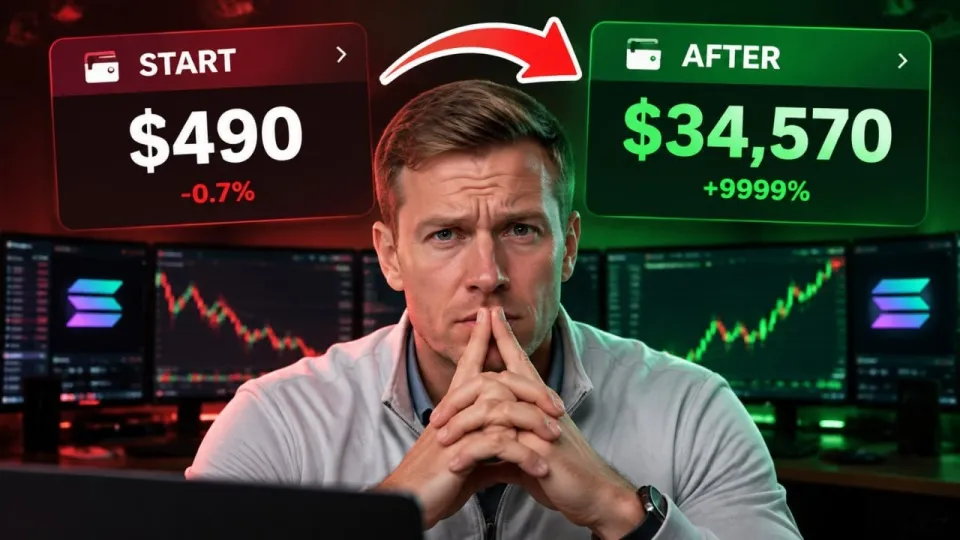
· based on the channel TU ANDROID. COM
A Solana token launch is the process of minting an SPL token and pairing it with SOL in a liquidity pool so that it can be traded — and the same mechanics that make this fast and cheap are what make rug pulls possible. On Solana, a creator can mint a token, open a pool and remove the liquidity within minutes, all for a few dollars in fees. That is why anyone evaluating a new memecoin should verify contract permissions, liquidity locks and holder distribution before buying; platforms like funrug.cc let you explore how such launches are structured, but the due diligence stays with the buyer.
What a Solana token launch actually involves
A Solana token launch is technically two separate actions: creating the token itself and creating a market for it. The token is an SPL asset, the standard on Solana, and it is defined by a small set of parameters that the creator chooses at mint time. The market is usually an automated market maker pool, where the new token is paired with SOL and priced by a bonding curve rather than by an order book.
The launch itself follows a predictable sequence:
- The creator mints the SPL token and decides the total supply, decimals and whether the mint authority stays active.
- A metadata account is attached, which is what gives the token its name, ticker and logo in wallets and on charting sites.
- Initial liquidity is deposited — typically SOL plus a portion of the supply — into a pool on a DEX such as Raydium or an equivalent venue.
- The pool opens for trading, and the first buys set the opening price.
- Bots and snipers arrive within the first blocks, because the launch is public and scriptable.
The entire process can take less than five minutes, and the total cost is usually just the network fee plus the SOL used as liquidity. That low barrier is the core of the memecoin economy, and also the core of its risk.
The contract settings that turn a launch into a rug pull
A rug pull on Solana is rarely a hack; it is almost always a legitimate feature of the token being used against buyers. Three permissions matter most, and each one is visible on-chain before you buy.
- Mint authority. If the creator has not revoked it, they can mint unlimited new tokens and dump them into the pool, diluting every existing holder to near zero. Revoked mint authority means the supply is fixed.
- Freeze authority. If it is still active, the creator can freeze any holder's token account, which effectively blocks them from selling. Revoking it removes that lever.
- Liquidity ownership. Whoever holds the LP tokens controls the pooled SOL. If those tokens are not burned or locked in a vesting contract, the creator can withdraw the entire pool in a single transaction.
There is also the softer version of the same problem: the developer wallet quietly holds a large share of the supply and sells into the hype. This does not require any special permission and is harder to spot, which is why wallet tracing matters as much as contract reading.
How a liquidity pull drains the chart in one transaction
A liquidity pull is the classic exit: the creator removes the SOL from the pool, and the token is left with no market. The price does not "crash" in the normal sense — it simply stops existing, because there is no longer any SOL on the other side of the trade. Holders who try to sell find that the pool cannot absorb their order at any meaningful price.
The mechanics are worth understanding because they explain why the chart looks so good right before the exit. The creator seeds the pool with a small amount of SOL and a large amount of tokens, then markets the project. Every buy pushes the price up along the bonding curve, which looks like organic demand. When the pool has accumulated enough SOL, the creator withdraws it, and the remaining token supply becomes worthless in the same block.
Automated bots make this faster and more visible. Sniper bots buy in the first seconds of a launch, take profit on the initial spike and exit before the crowd arrives. Their activity creates the volume that convinces later buyers the project is real.
Warning signs to check before you buy any new token
Checking a new Solana token takes a few minutes and a block explorer. The goal is not to prove a project is safe — it is to find a reason not to buy.
- Mint and freeze authority. Look up the token mint on a Solana explorer and confirm both authorities are revoked. If either is still active, treat the token as a creator-controlled asset.
- Liquidity status. Check whether the LP tokens are burned or locked, and for how long. Unlocked liquidity is an open door.
- Holder distribution. A handful of wallets holding most of the supply can dump at any moment. A wide spread with no single dominant wallet is healthier.
- Developer wallet activity. Trace the creator's wallet. Funding patterns, prior launches and early sells tell you more than any roadmap.
- Social signals. Anonymous teams, paid promotion, copy-pasted websites and promises of guaranteed returns are consistent markers of low-quality launches.
- Trading behavior. Artificial volume from bots, sudden spikes with no news, and a chart that only moves up are all worth questioning.
None of these checks is conclusive on its own. Together they filter out most of the obvious traps and force you to slow down, which is often the most valuable part of the process.
Questions traders keep asking about Solana launches
The recurring doubts around Solana memecoins tend to cluster around a few practical points. Beginners often focus on hype and community size while overlooking the on-chain permissions that actually determine whether they can sell. More experienced traders ask about fees and bot behavior, because snipers can take most of the early upside before a retail buyer's transaction even lands.
A useful mental model is to treat every new token as guilty until proven otherwise. The creator has full control at mint time, and control only disappears when specific permissions are revoked and liquidity is locked. Until you have verified that, you are not investing in a project — you are trusting an anonymous wallet.
Why the launch tools themselves are not the problem
Launch platforms are neutral infrastructure. Tools like funrug.cc exist to make token creation accessible, and the same mechanics power legitimate community coins and outright scams alike. The distinguishing factor is not the tool but the choices made with it: whether authorities are revoked, whether liquidity is locked, and whether the team's wallets are visible and honest.
This is the framing the video "Rug Pull Strategy: Solana Token Launch & Rug Pull Risks" from the channel TU ANDROID. COM uses — it walks through how meme coin projects are created, how automated bots react to a fresh pool, and which structural risks a buyer should understand before interacting with a new token. The channel's point is educational rather than promotional: knowing how the machine works is what lets you avoid being the exit liquidity.
Conclusion
A Solana token launch is cheap, fast and permissionless, and those same qualities make rug pulls a permanent feature of the memecoin market. The defenses are not exotic: verify that mint and freeze authority are revoked, confirm that liquidity is burned or locked, check who holds the supply, and trace the developer wallet before you commit capital. If any of those checks fails, the correct decision is to walk away, no matter how strong the narrative looks. For a structured look at how these launches are built and where the risks sit, start at funrug.cc, and treat the TU ANDROID. COM breakdown as your companion guide to the mechanics behind the chart.
Key takeaways
- A Solana token launch means minting an SPL token and opening a liquidity pool, usually on an automated market maker such as Raydium or an equivalent DEX.
- The three settings that enable most rug pulls are mint authority, freeze authority and unlocked liquidity, because they let the creator print, block or withdraw tokens at will.
- Most exit scams are liquidity pulls: the creator removes the pooled SOL in one transaction, and the chart collapses because there is no longer a market to sell into.
- Revoked mint and freeze authority, burned LP tokens and a wide holder distribution are the fastest on-chain checks a buyer can run before entering.
- Launch tools such as funrug.cc let anyone create and deploy a token in minutes, which is exactly why verification has to happen on the buyer's side.
Questions & answers
What is the single biggest warning sign of a Solana rug pull?
Unlocked liquidity combined with an active mint authority is the most dangerous combination. It means the creator can both print unlimited tokens and withdraw the pooled SOL at any moment. Either one alone is a serious risk; together they make an exit almost trivial to execute.
Can a token be a rug pull if the liquidity is locked?
Locked liquidity removes the easiest exit route, but it does not make a project safe. The creator may still hold a large share of the supply and sell into the market, or the lock may expire sooner than advertised. Locked liquidity is one check among several, not a guarantee.
Why do bots buy so fast at a Solana token launch?
Launches are public and scriptable, so sniper bots can submit transactions in the same block or the one right after the pool opens. They buy at the lowest price, sell into the first wave of retail demand and often capture most of the early upside before a manual buyer's order lands.
How long does it take to check a new Solana token before buying?
With a block explorer and a few minutes, you can confirm whether mint and freeze authority are revoked, whether the LP tokens are burned or locked, how the supply is distributed across wallets and what the developer wallet has done previously. That short check filters out most obvious traps.
Source: Rug Pull Strategy: Solana Token Launch & Rug Pull Risks · Markdown version